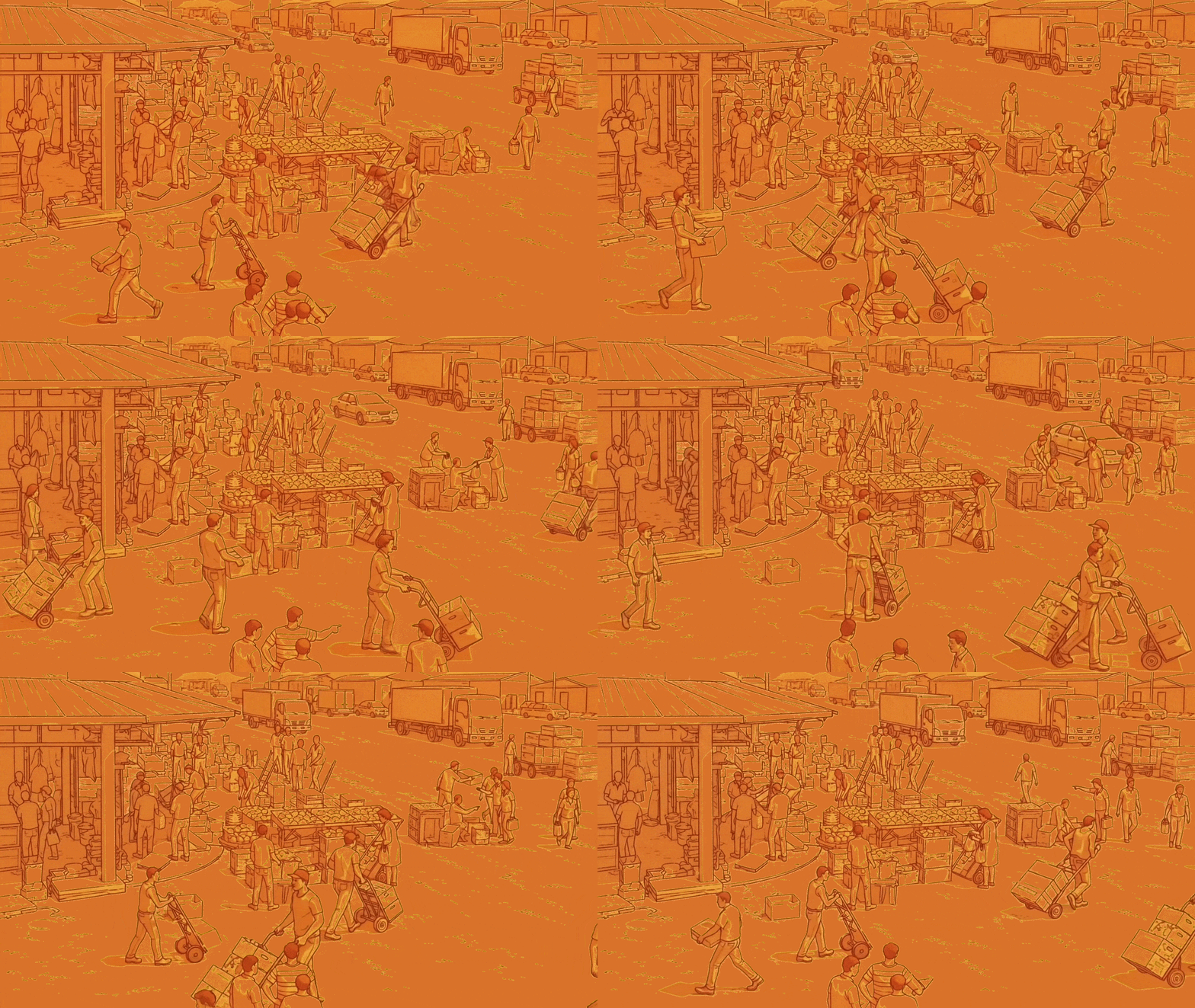
People everywhere deserve food that is healthy, sustainable, and affordable.
Agribusiness cannot deliver this, but cities can cultivate alternative, regional food systems built around values rather than profits.
We need new systems where growing, making, distributing, and selling food is freed from corporate control.
In cities, we can start this process by reinventing public markets and using them to support alternative supply chains and build new ones.
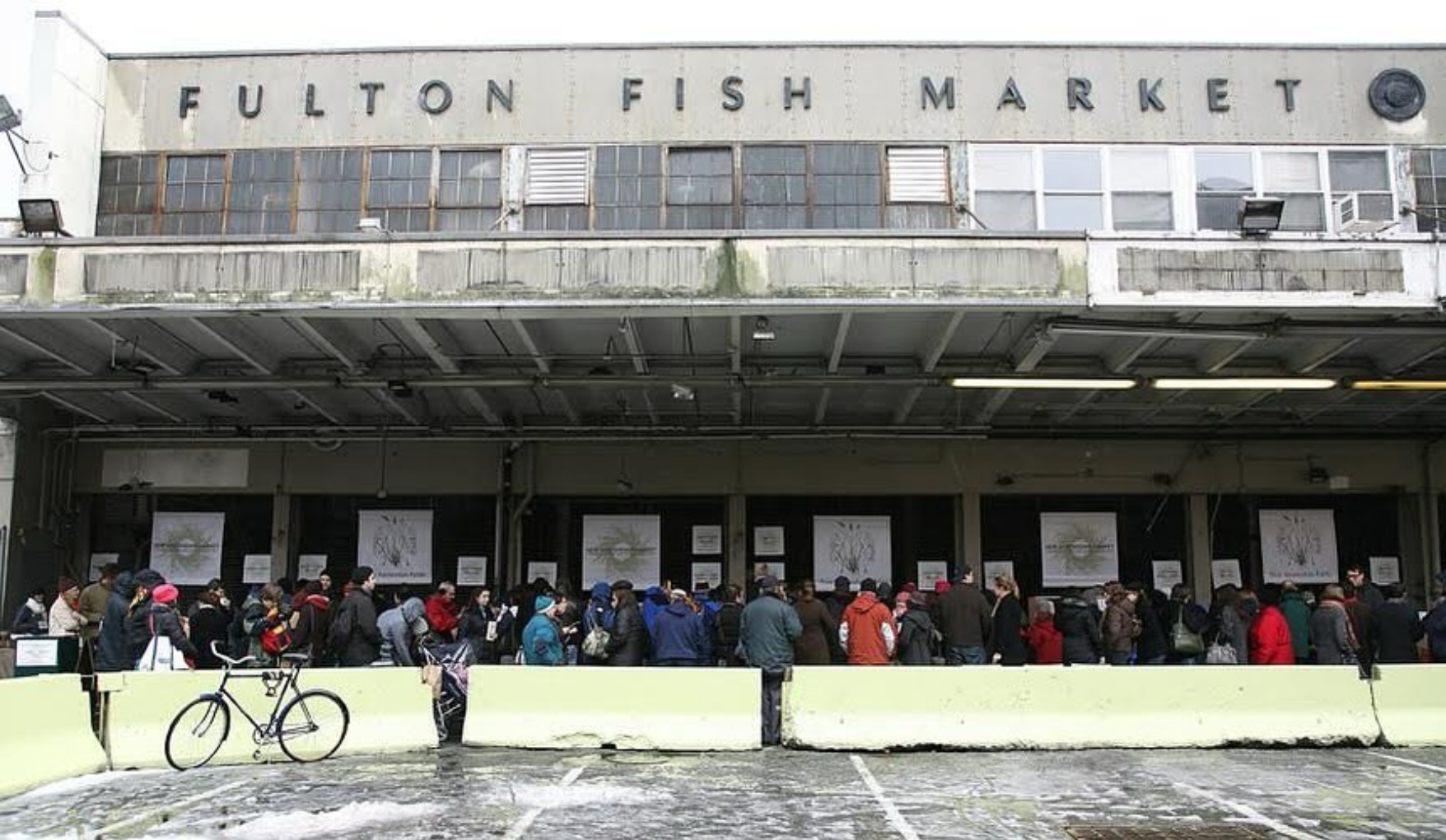
Why Public Markets?
For centuries, public markets have connected farmers, businesses, and neighborhoods through shared public space dedicated to the retail and wholesale of food.
With the advent of industrial agriculture and the supermarket, public markets and the agencies that ran them faded into oblivion. It is no coincidence that both human and environmental health declined as a result.
Today, we can reinvent public markets with one goal: to put the food system back into our hands so that it serves our needs.
What Makes a Public Market?

Civic Space
Provide inclusive spaces where neighbors meet, children learn, and communities gather around food.
Food Democracy
Our Public Markets are governed through public oversight, support cooperative enterprises, and prioritize our collective wellbeing.
Small Business Resiliency
Foster a resilient small business ecosystem of farmers, distributors, and retailers through shared infrastructure, low barriers to entry, and a more localized economy.
Environmental Stewardship
Create sustainable supply chains, reduce food waste, and reconnect cities with the regions that feed them.
Healthy Communities
Build healthy communities by offering whole, fresh ingredients, nutrition education, and support for local mutual aid activities.
Affordable Staples
Make fresh, nutritious food more affordable by strengthening regional supply chains and creating a public alternative to corporate grocery monopolies.
Frequently Asked Questions
-
Lorem ipsum dolor sit amet, consectetur adipiscing elit, sed do eiusmod tempor incididunt ut labore et dolore magna aliqua. Ut enim ad minim veniam, quis nostrud exercitation ullamco laboris nisi ut aliquip ex ea commodo consequat.
-
Item description
-
Lorem ipsum dolor sit amet, consectetur adipiscing elit, sed do eiusmod tempor incididunt ut labore et dolore magna aliqua. Ut enim ad minim veniam, quis nostrud exercitation ullamco laboris nisi ut aliquip ex ea commodo consequat.
-
Lorem ipsum dolor sit amet, consectetur adipiscing elit, sed do eiusmod tempor incididunt ut labore et dolore magna aliqua. Ut enim ad minim veniam, quis nostrud exercitation ullamco laboris nisi ut aliquip ex ea commodo consequat. Duis aute irure dolor in reprehenderit in voluptate velit esse cillum dolore eu fugiat nulla pariatur.